ROBOTIC SURGERY INTEREST GROUP // ALFAISAL UNIVERSITY // EST. 2026 The robot is already in the room.
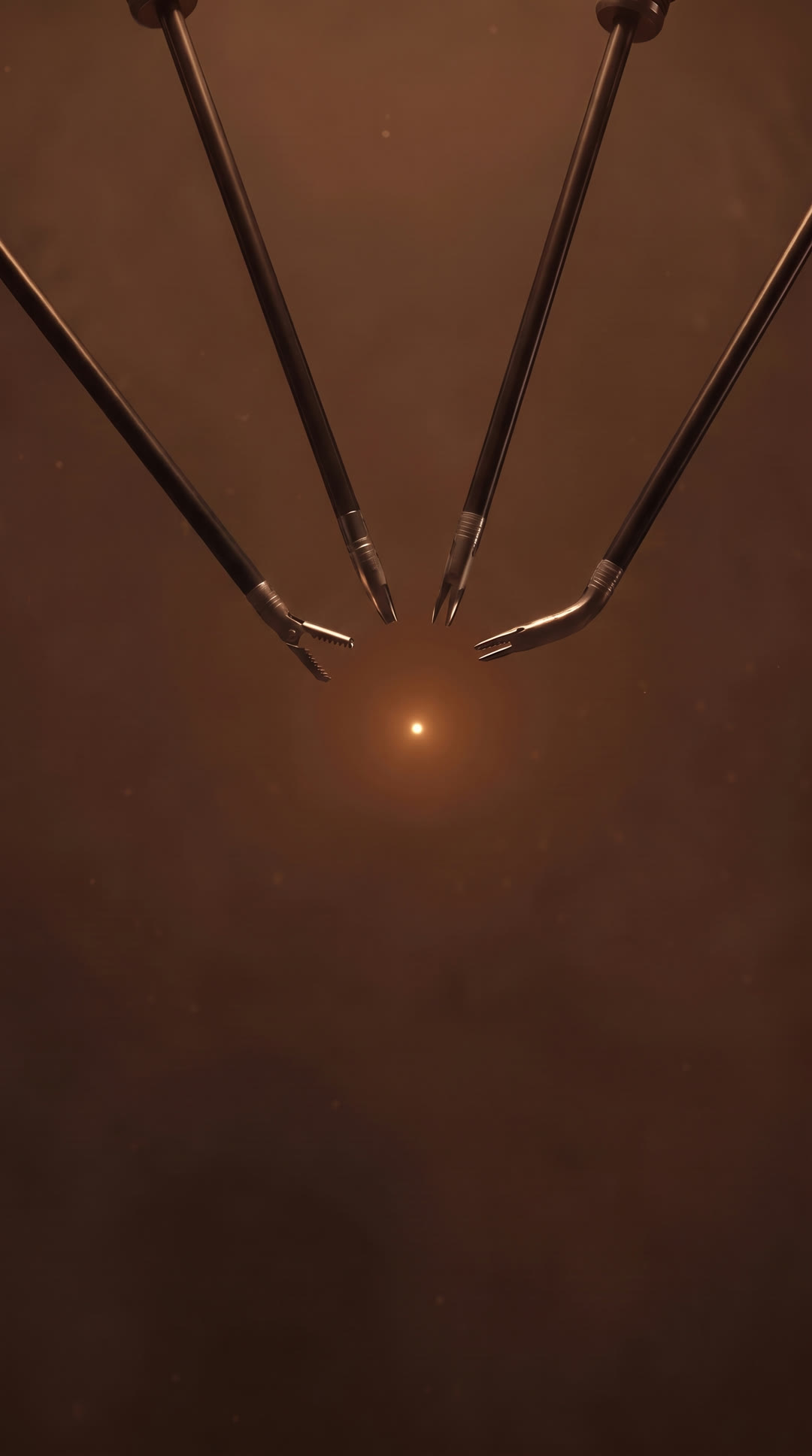
Four arms. One surgeon. Every movement is human.
Most students never get closer than this.
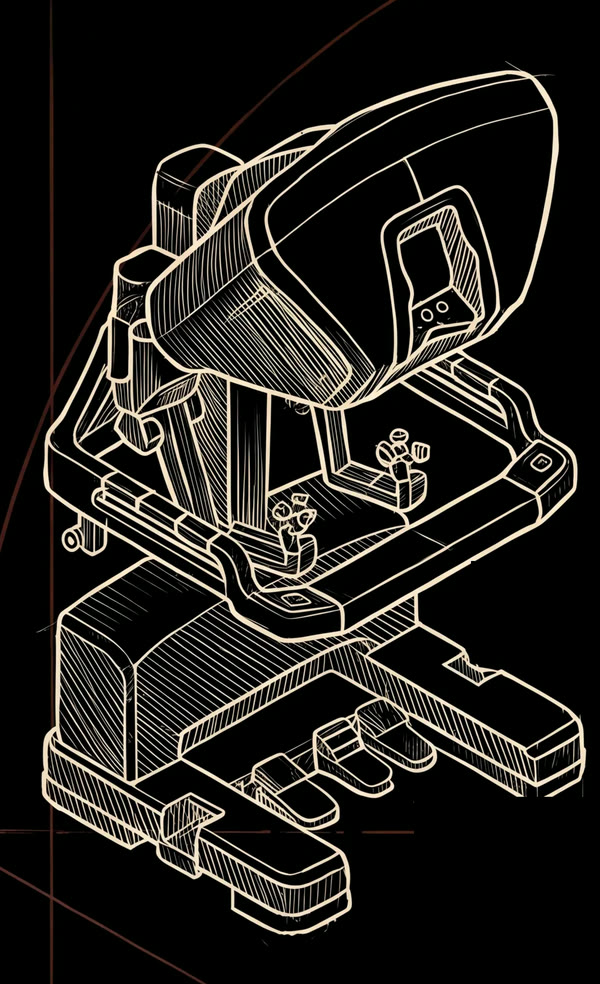
The surgeon operates from the console.
Take the surgeon's seat.
Simulator and console sessions are part of our plan.
Specialties the robot has reached.
Transplant, cardiac, GI, urology, thoracic, head and neck, and more.
From the back of the room to the console.
RSIG. Structured access to robotic surgery for students at Alfaisal University.


The robot is already in the room. ROBOTIC SURGERY INTEREST GROUP // ALFAISAL UNIVERSITY // EST. 2026 From the back of the room to the console.
Four arms. One surgeon. Every movement is human.
Take the surgeon's seat.
RSIG is the Robotic Surgery Interest Group at Alfaisal University. We bring students closer to robotic surgery through teaching, practice and mentorship.
RSIG in five facts
First in the Middle East
The first student-led robotic surgery interest group in the Middle East.
Est. 2026
Founded at Alfaisal University's College of Medicine, Riyadh.
5 teams
The Board of Directors and four departments.
Under the RSS
RSIG operates under the umbrella of the Robotic Surgery Society of Saudi Arabia.
One of our main reasons
KFSHRC's Organ Transplant Centre of Excellence, where our advisors perform robotic transplants.
FIG. 01 // ABOUT RSIG
Student-led, faculty-guided and built around doing the work.
RSIG is the University's first student organisation dedicated exclusively to robotic and minimally invasive surgery: hands-on workshops, supervised research, and mentors who operate at the console.

Leading centres in Riyadh operate some of the most advanced robotic surgery programmes in the world. Yet students have had no structured way into the field before residency. RSIG exists to be that way in.
FIG. 02 // INSIDE RSIG
Robotic surgery becomes something you can take part in.
Real photos from the Middle Eastern Robotic Cardiac Surgery Summit 2026 at KFSHRC in Riyadh: the main hall, the robotic wet lab and the students who took part.
RSIG helped organise the summit and provided its student volunteer team.
See all 36 photos from the MRCS Summit 2026FIG. 03 // THE BOARD AND FOUR DEPARTMENTS
Five teams, each with a clear role.
The Board of Directors leads everything RSIG does, and the four departments carry out the work. Each department has two student heads; open seats are being filled now.
FIG. 04 // PROGRAMS
Programs that go beyond a one-off event.
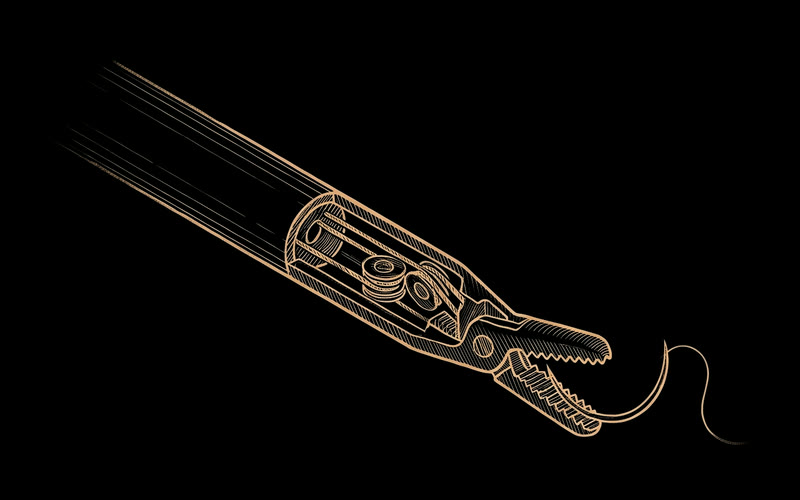
Training, research and awareness that run across the year. The first to open is the ARM series: Advanced Robotic and Minimally Invasive Training.
Dates are posted on the Events page as each one is confirmed.
View all programsFIG. 05 // RECOGNITION AND AFFILIATIONS
Connected through shared clinical and educational work.
Three working ties: the society RSIG answers to, the hospital where its advisors operate, and the university it calls home.


Robotic Surgery Society of Saudi Arabia (RSS)
Dr. Suha K. Kaaki, its President and Founder, sits on the RSIG Advisory Board. The RSS is the first robotic surgery society in Saudi Arabia, the Gulf and the Middle East.
King Faisal Specialist Hospital and Research Centre
RSIG works with two centres of excellence at KFSHRC: the Organ Transplant Centre of Excellence (OTCoE) and the Heart Centre of Excellence. Prof. Dieter Broering and Dr. Dimitri A. Raptis work at the OTCoE. Prof. Feras Khaliel is Deputy Executive Director of the Heart Centre of Excellence.
Alfaisal University, College of Medicine
Home of RSIG. The group's Faculty Advisors are Prof. Khaled Al-Kattan and Dr. Akef Obeidat.
FIG. 06 // IN THEIR WORDS
In their words.
What the surgeons who supervise RSIG have said and written about robotic surgery. Every line links to where it was published.
They sit on RSIG's Advisory Board. Surgeons who want to guide students can apply to join it.
About the Advisory BoardFIG. 07 // TAKE THE CONTROLS
Who is really operating?
You were.
Your hand, tremor and all, and the tip it moved: one third of the travel, with the tremor filtered out.
Press and hold the red button.
A surgeon controls every instrument movement. The console systems used in these operations do not operate on their own.
Your hand moves. The instrument moves a set fraction of that. That is motion scaling.
The system filters the natural tremor of the hand before it reaches the tip.
That is the seat we want you ready for.
FIG. 08 // GET INVOLVED
Come closer.
The Advisory Board form is open now. Membership applications are open.